





League of Legends Isn’t Just Another MOBA
Plenty of games have tried to break into the multiplayer online battle arena scene, but League of Legends is still the first name you hear. It’s not luck. League of Legends is a MOBA—yes, everyone knows that by now—but it’s how it executes on that core formula that keeps it from fading into the background. Since its release on October 27, 2009, it’s been Riot Games’ flagship, and the game’s grip on both casual and competitive players hasn’t slipped one bit. You can play it on Microsoft Windows and macOS, so basically every PC gamer is in the pool. Missed the boat on day one? Doesn’t matter. The game is free-to-play, and most people get in the door with zero commitment. That’s the first hook. The second? Once you’re in, climbing out is harder than it looks—especially thanks to the ranked ladder system.
Champions, Abilities, and the Endless Meta
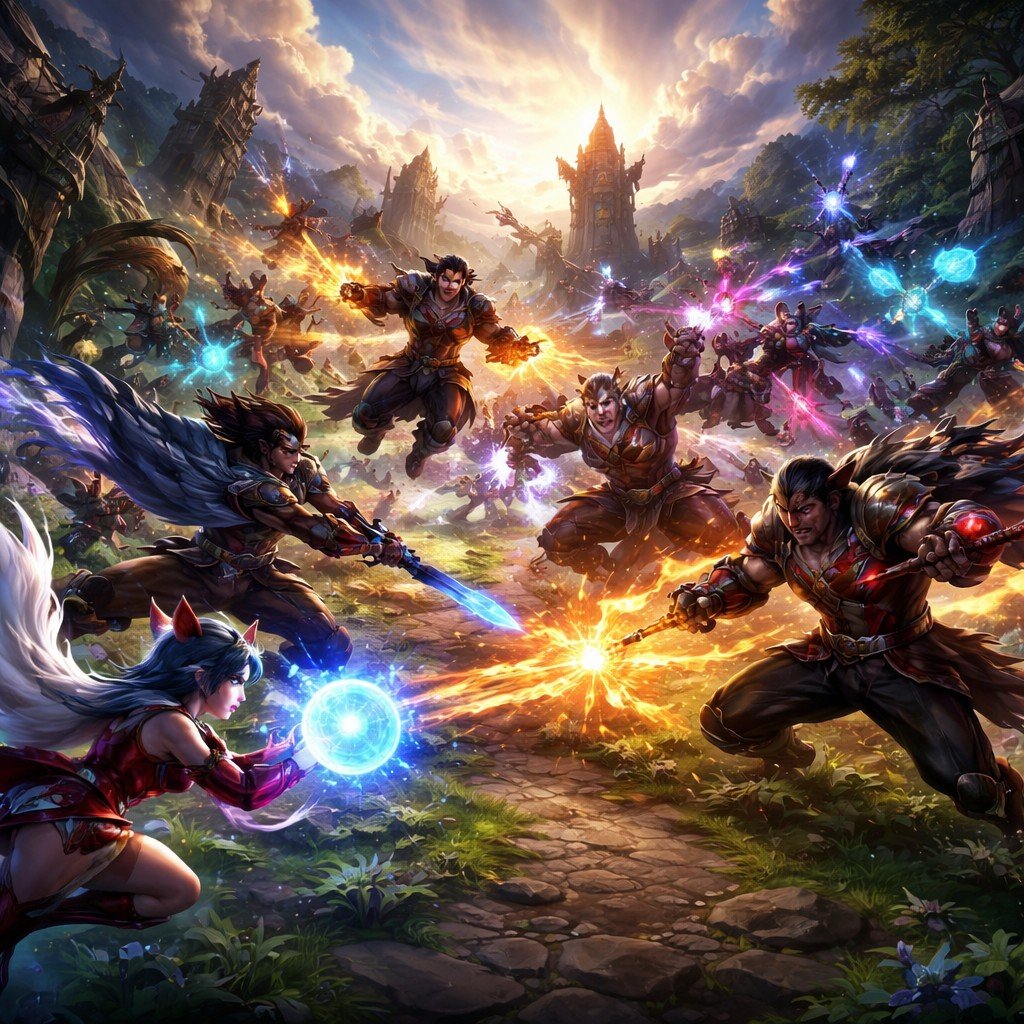
What keeps League of Legends from feeling stale after all these years? You’re not just controlling some faceless unit. You pick a champion—one of those unique characters Riot keeps pumping out, each with their own set of abilities. You want to play a tank? There’s a champion for you. Want flashy plays? Take your pick. This isn’t just about cosmetics, either (though the skins might drain your wallet). It’s about playstyle. Every champion’s kit means there’s always something else you could learn, another matchup to figure out. And the main battleground—Summoner’s Rift—never really changes, but the way fights play out does. The Nexus is always your target. Your tools for getting there? That’s where the real depth comes in.
Competitive Structure: The Ranked Ladder and Esports Powerhouse
Let’s be honest: League of Legends would not be what it is today without its competitive backbone. The ranked ladder system puts your skills to the test, over and over. You start at the bottom and fight your way up through divisions and tiers. Every game is a battle to prove you belong in the next bracket. It’s addictive—and sometimes infuriating. But the system works, and it’s why people keep coming back. And that’s just the beginning. League of Legends is one of the largest esports on the planet. Professional leagues run in North America, Europe, China, South Korea, and beyond. Pros are constantly pushing the meta, and even casual players feel the trickle-down effects. Watching the big leagues isn’t just for fun; it’s homework if you want to improve.
Why Players Seek Coaching or Boosting: The Climb Is Real
Here’s the truth: most players hit a wall on the ranked ladder. Doesn’t matter if you’ve been playing since 2009 or just started last week. You can grind hundreds of games and still feel hard-stuck. That’s where coaching comes in. Getting personalized advice on champion picks, macro decisions, or how to win on Summoner’s Rift can be a game-changer—sometimes literally. The game’s depth and complexity mean there’s always something you’re missing. And for those who want the rewards without the grind, boosting is the shortcut. The competitive ladder system makes your rank visible to everyone. For some, that’s motivation; for others, it’s anxiety. Either way, the pressure to climb—especially in a game this big—pushes a lot of players to look for an edge, whether it’s legit advice or a helping hand up the ladder.
The Free-to-Play Model and Skin Game
League of Legends’ free-to-play setup is genius. You don’t need to spend a dime to play, but you’ll probably want to—those skins are everywhere. The game is monetized through purchasable character customization, and Riot knows exactly how to get you to crack open your wallet. But here’s the thing: nothing you buy gives you an in-game advantage. It’s all about looking good while you make plays (or, let’s be real, sometimes while you int). Free entry, endless cosmetic upgrades. That’s a big part of why the playerbase is massive, and why you’re always running into both new blood and old veterans every game.
The Never-Ending Drive to Improve
It comes down to this: League of Legends is a MOBA with a competitive ladder system, a champion pool that never stops growing, and an esports scene that makes even the most casual player want to up their game. Whether you’re grinding solo queue, getting coached, or considering a boost to finally break into the next tier, the game’s structure keeps you coming back. The climb never really ends—and that’s what makes League of Legends so damn unique. Next time you queue up, pick one thing to focus on—maybe your laning, maybe your map awareness. That’s how the climb starts. Every session, one step higher.